Salt Lakes was the wilderness to me, not uncivilized, but harsh and often frightening. There really wasn’t much to be frightened of, except drowning, and nobody but me seemed to worry about that. . In the frequent violent storms, the cabin shuddered in the wind with its flimsy walls shaking at each gust, but it stayed upon its pilings. I’d watch a tall tree swaying outside the window and imagine it blowing over in the gale. I could vividly picture my small home crushed and broken by a falling cedar.
Text is from Knots and Stitches--Chapter 6, Exceedingly Cautious
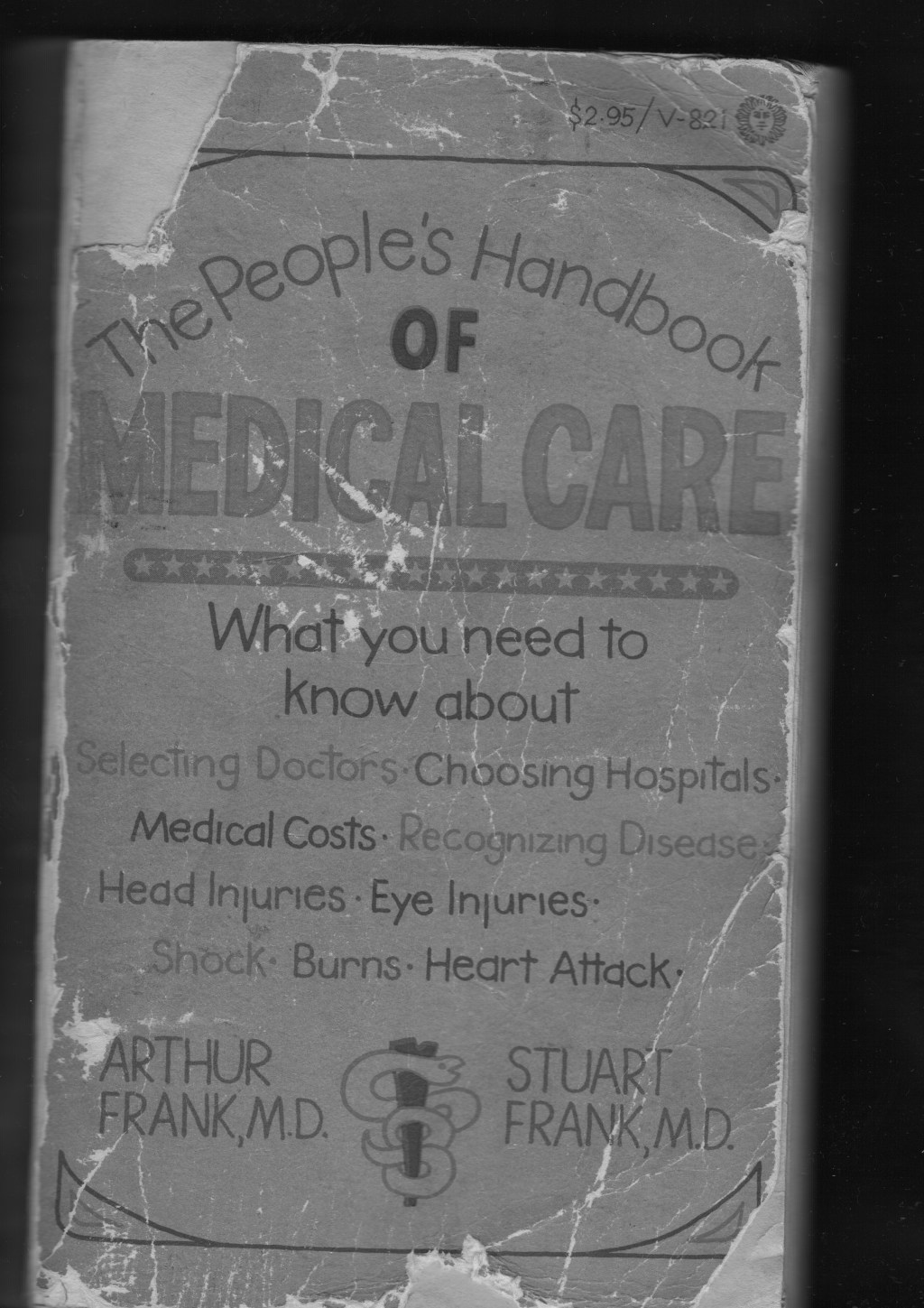
I was exceedingly cautious lighting the propane stove, convinced it might blow sky-high and take me with it, and I was just as careful with the hatchet and axe, the flaring Aladdin lantern, the jar of mayonnaise cooling in the creek. I pored over first aid manuals, underlining the sections on food poisoning, lock-jaw, and uncontrolled bleeding.
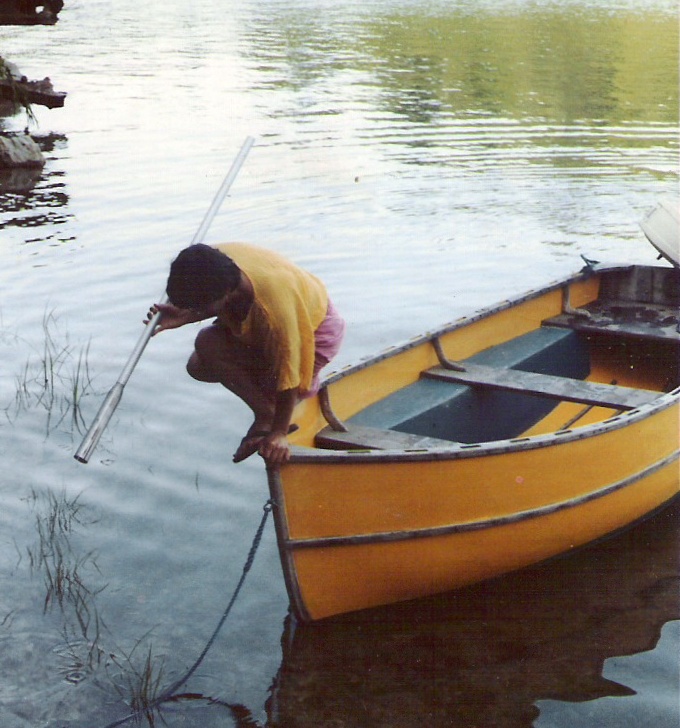
I was a very nervous boater. Friends and strangers alike were generous with encouragement and advice. As I drifted helplessly on my maiden voyage in the new skiff, the propeller churning air instead of water, a fisherman yelled, “Put rocks in the stern.” I rowed awkwardly to shore and piled the back end of the boat with boulders. When I pulled the starter, the bow of the boat rose abruptly in the air, with water slopping in torrents over the stern. “Put rocks in the bow!” he yelled”, laughing.

One of my early boating experiences was very unnerving. Approaching the dock at Cow Bay on my first solo crossing of the Harbour, I saw a form floating face-down and very still in the water. I queasily told myself, ‘It’s only a mannequin from the Sea Fest Parade.’ A novice with the outboard, I couldn’t maneuver close enough, so I turned off the motor and rowed over. Touching the head, I could tell by its weight and substance that it was a real person. Grabbing the collar, I lifted the head out of the water. It was a woman.
She felt very dead to me. I hadn’t the strength to get her aboard, and couldn’t let go to start the motor, so I just held on, wondering what to do. “Help, somebody drowned!” I yelled at a fishboat edging for the dock. The men stared impassively. “Come help me! You better help me!” I screamed. I thought they would lift her into their boat. Instead, a man climbed into my skiff and rowed it to the dock while I clutched my motionless burden. He didn’t want to touch her.
Emergency responders came to the dock, but failed to revive her, Later, I learned that she had fallen from the cannery walkway and had not been in the water very long. I have always wondered if she would have lived if I had reacted more quickly, if I had known what to do.
As the months and years passed, my skills and confidence grew, and I became a more relaxed boater, but I never lost my cautiousness, my sense that boating was serious business. I kept a Saint Christopher medal lashed to the gunwale though I wasn’t a Catholic, and I kept a quote from John Millington Synge pinned to my kitchen wall:
“A man who is not afraid of the sea will soon be drowned,
for he will be going out upon a day that he should not.
But we do be afraid of the sea, and we do only
be drowned now and again.”
 Knots and Stitches
Leave a comment